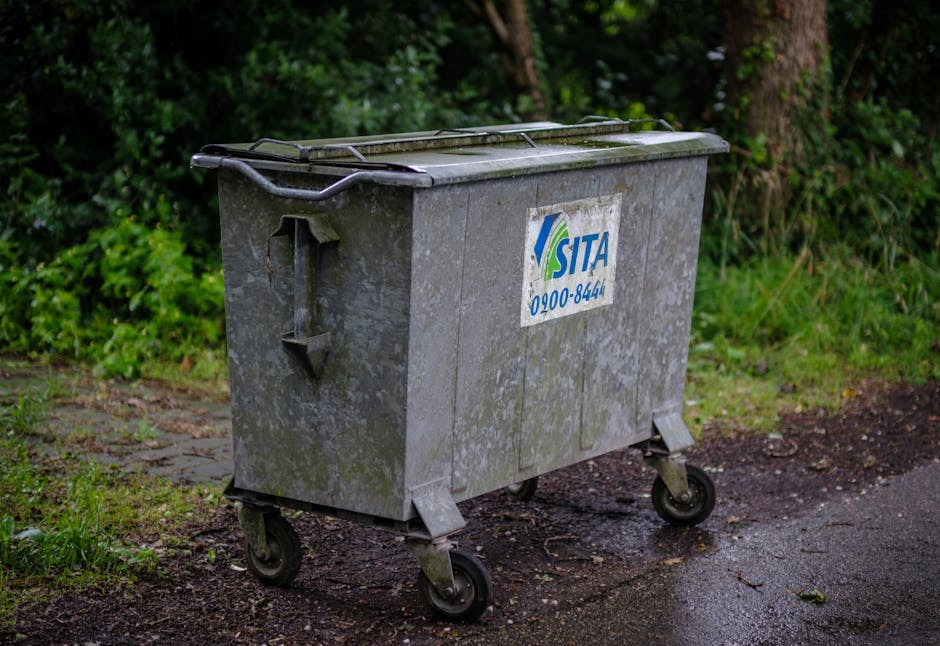
Permit requirements for skips on Willesden High Road
If you are planning a skip on Willesden High Road, the permit question is usually the first thing that trips people up. Do you need one? Who applies for it? How long does it take? And what happens if the skip is placed just slightly wrong, say half onto the carriageway on a busy afternoon when traffic is already crawling? The short answer is that skip permits matter because the road is public space, and public space comes with rules. This guide breaks down Permit requirements for skips on Willesden High Road in plain English, so you can avoid delays, fines, awkward surprises, and that last-minute scramble nobody enjoys.
We will look at how permits typically work in London, when a permit is usually needed, what to check before booking a skip, and the practical alternatives if you want to keep things simple. If you are managing a flat clear-out, a renovation, or regular trade waste, you will also find useful pointers on how this links with wider waste planning. For a broader look at disposal options, you may also find our waste removal and builders waste clearance pages helpful when comparing approaches.
Expert summary: The safest assumption is simple: if the skip will sit on a public highway, a permit is usually required. If it stays fully on private land, it often is not. The detail, as always, is in the setup.
Table of Contents
- Why Permit requirements for skips on Willesden High Road Matters
- How Permit requirements for skips on Willesden High Road Works
- Key Benefits and Practical Advantages
- Who This Is For and When It Makes Sense
- Step-by-Step Guidance
- Expert Tips for Better Results
- Common Mistakes to Avoid
- Tools, Resources and Recommendations
- Law, Compliance, Standards, or Best Practice
- Options, Methods, or Comparison Table
- Case Study or Real-World Example
- Practical Checklist
- Conclusion
- Frequently Asked Questions
Why Permit requirements for skips on Willesden High Road Matters
Willesden High Road is not a quiet residential cul-de-sac where a skip can sit unnoticed for a week. It is a live, active stretch of road, with vehicles moving through, pedestrians stepping around parked cars, and deliveries trying to happen at all hours. That means any skip placed on or near the highway needs to be handled with care. The permit exists to protect safety, manage traffic flow, and make sure the skip is positioned where it will not create a nuisance or a hazard.
There is also a practical side to this. If you skip the permit and place a skip on the road without approval, you may end up with a removal order, extra charges, or a delay that pushes back your whole project. To be fair, most people only think about this once they are already in a rush. That is usually when things become expensive.
For local households, landlords, builders, and businesses, the permit issue can affect timing as much as cost. A flat clearance, for example, can move quickly on paper, but if you have no on-site space and need the skip on the road, the permit process becomes part of the job. The same goes for heavier waste streams from house clearance or office clearance work, where delays can stack up fast if access is awkward.
And there is another reason it matters: good planning. If you know the permit rules early, you can choose the right size skip, choose a better delivery day, and avoid paying for something you do not need. Simple, but powerful.
How Permit requirements for skips on Willesden High Road Works
In most London boroughs, the rule of thumb is straightforward: a skip on a public road needs permission from the local authority, usually arranged before the skip is delivered. If the skip sits entirely within your private boundary, such as a driveway, forecourt, or private yard, a permit is typically not needed. That sounds tidy, but the reality can be more fiddly than people expect.
On Willesden High Road, the issue is usually access. A skip lorry needs room to deliver and collect safely, and the skip itself must not block sight lines, pedestrian routes, driveways, or busier parts of the road. If the pavement is narrow or the frontage is tight, placing the skip partly on the road can trigger permit requirements. Even if it is only a small encroachment, it may still count. That little detail matters a lot.
Most skip hire companies will advise whether a permit is likely to be needed, and many can help with the application process. The permit is generally linked to the location, the skip size, and the dates of placement. Some permits are issued for a fixed period and may need renewal if the skip remains in place longer than expected. That is one of those things people forget until day six or seven, when the job is still going and the paperwork suddenly matters.
There may also be conditions attached to the permit, such as reflective markings, lights if the skip is left out overnight, or limits on where it can be sited. In busy streets, councils tend to be cautious for good reason. Nobody wants a half-lit container sitting awkwardly near traffic at 10:30 pm in the rain. It is not ideal for anyone.
If you need a permit because there is no safe private space, the key is to plan earlier than you think. A smooth waste project is often less about the skip itself and more about the timing around it.
Key Benefits and Practical Advantages
People often see permit arrangements as admin, but there are real benefits when the process is handled properly.
- Better compliance: You reduce the chance of enforcement action, complaints, or forced skip removal.
- Smoother scheduling: Once the permit is in place, delivery and collection are easier to coordinate.
- Safer site setup: Proper placement helps protect pedestrians, drivers, and your own team.
- Less stress: You know the skip is where it is allowed to be, which takes a surprising amount of pressure off.
- Better project control: A permit timeline helps you plan waste removal around the actual job, not guesswork.
There is also a quieter benefit: better neighbour relations. On a road like Willesden High Road, space is always under pressure. A correctly permitted skip, placed thoughtfully, is much less likely to spark complaints than one that appears overnight and looks abandoned. Small thing, big difference.
For homeowners, a permit can make a renovation feel much more manageable. For trades, it helps keep jobs moving. For businesses, especially those arranging periodic disposal, the reliability is often worth more than the paperwork headache. If you are comparing waste solutions, our business waste removal and builders waste clearance services may help you decide whether a skip is really the best fit.
Who This Is For and When It Makes Sense
This topic matters to anyone who expects to generate more waste than a normal council bin can handle. That sounds broad because it is broad. In practice, the people most likely to deal with skip permits on Willesden High Road include:
- Homeowners clearing out bulky waste or garden materials
- Landlords between tenancies
- Builders and decorators
- Shop owners and office managers
- Property managers handling refurbishments
- Families doing major decluttering before a move
It makes sense when the waste is too bulky, too heavy, or too frequent for bagged disposal. It also makes sense when speed matters. A skip on site can be much easier than repeated tip runs, especially if you are juggling work, family, and a staircase full of old furniture. Let's face it, very few people look forward to loading a car boot ten times.
That said, a skip is not always the best answer. If you have limited road space, if the job is small, or if access is awkward, a skip permit may create more hassle than it solves. In those cases, alternatives such as a pre-arranged clearance may be cleaner and faster. A straightforward home clearance or flat clearance can sometimes remove the permit worry entirely.
Step-by-Step Guidance
- Check whether the skip will be on public or private land. This is the first and most important question. If it stays fully inside your boundary, you may not need a permit.
- Measure the available space carefully. Do not guess. A few inches can change whether the skip is classed as being on the highway.
- Think about access for the lorry. A skip that can be delivered but not collected is a problem nobody wants on a Monday morning.
- Choose the right skip size. Too small means extra collections. Too large may be harder to site safely.
- Confirm the permit process before ordering. Ask who applies, how long it takes, and whether the permit can be renewed if needed.
- Factor in the waste type. Heavy materials, mixed waste, or builder's rubble can influence the best solution.
- Plan for the collection date. Leave enough time to fill the skip properly, but not so long that it sits around unnecessarily.
- Keep the area tidy. Loose waste around the skip can create trip hazards and make the site look untidy.
A practical tip: if your project is likely to run over, build that possibility into the plan from the start. Plenty of people assume the skip will be gone in three days, then the reality of sorting loft junk or dismantling cupboards kicks in. Truth be told, the job always looks quicker before you start.
If you are dealing with mixed household items, furniture, or difficult access, you may want to compare a skip with the more flexible options listed on our furniture disposal and furniture clearance pages.
Expert Tips for Better Results
Over the years, a few habits consistently make permit-led skip jobs less painful.
- Book early. Not glamorous advice, I know, but it prevents last-minute permit delays.
- Use clear measurements. Rough estimates are where avoidable problems start.
- Confirm placement in daylight if possible. It is easier to judge space properly when you can actually see the kerb, the width, and the parked cars.
- Keep delivery and collection windows realistic. A tight window sounds efficient, but it can be fragile on busy roads.
- Separate bulky reusable items early. Items that can be reused or donated should not be thrown into waste planning by default.
- Ask about alternatives before committing. Sometimes a clearance service is cheaper and much simpler than managing permit paperwork.
One of the best habits is checking whether the skip can be placed on a driveway, forecourt, or private loading area. If it can, that may remove the permit issue completely. Sounds obvious, but people often overlook it because they are focused on the waste, not the parking geometry.
Another helpful tactic is to think about the surrounding road conditions. Willesden High Road can be busy, and peak periods matter. If delivery happens at the wrong time, even a legal placement can feel disruptive. Morning collections or off-peak slots are often smoother when they are available.
Common Mistakes to Avoid
Most problems with skip permits are not dramatic. They are small, boring mistakes that snowball.
- Assuming a permit is not needed. A skip is on the highway? Treat it as permit-sensitive until proven otherwise.
- Leaving the application too late. This is the classic one. The waste is ready, the job is ready, and the paperwork is not.
- Booking the wrong size skip. A too-small skip leads to overflow; a too-large one may be awkward or unnecessary.
- Forgetting about renewal. If the skip is still needed after the initial permit period, that needs attention before the deadline.
- Blocking access. Driveways, gates, pavements, and sight lines all matter.
- Mixing prohibited items in without checking. Different waste types can have different handling rules.
There is also a softer mistake: treating the permit as a separate issue from the waste plan. In reality, they are connected. If the permit is hard to obtain, maybe the plan should change. That is not failure. That is sensible judgement.
Tools, Resources and Recommendations
You do not need fancy tools to manage a skip permit well. What you do need is decent information and a bit of organisation.
- Measuring tape: Useful for checking frontage, access, and turning space.
- Phone photos: Handy for documenting the available space before booking.
- A simple project timeline: Helps you decide when the skip should arrive and leave.
- Waste segregation plan: Keep recyclable, reusable, and general waste separate where practical.
- Provider guidance: A good skip or clearance provider should be able to explain the practical side clearly.
For readers comparing waste methods, our recycling and sustainability page is worth a look if you want to think beyond simple disposal. If you are working on a larger property tidy-up, the garage clearance and loft clearance pages may also help you narrow down the right route.
If you want to understand the company side of things before arranging a job, our about us page explains the approach we take, and our pricing and quotes page helps set expectations about cost planning.
Law, Compliance, Standards, or Best Practice
Skip permits sit within a wider framework of public safety, highway management, and waste duty of care. The exact local process can vary by council, so it is wise to treat any permit as location-specific rather than universal. On public roads, the main concerns are usually obstruction, visibility, safe access, and whether the placement could create a hazard for road users or pedestrians.
Best practice usually includes:
- Applying before the skip arrives
- Using a reputable provider who understands permit handling
- Keeping the skip within the authorised location
- Following any lighting or marking conditions
- Removing the skip promptly when it is no longer needed
It is also sensible to think about waste handling responsibilities more broadly. Waste should be managed responsibly, and the person arranging disposal should be clear about what is being collected, where it is going, and whether any restricted items need special handling. That is especially true for building projects, office clear-outs, and mixed-load domestic jobs.
Compliance does not need to feel intimidating. In practice, it mostly comes down to doing a few ordinary things properly. Ask the right questions. Keep records. Do not place anything where it should not be. Simple enough, really, though it is amazing how often simple gets forgotten once the tools are out and the hallway is full of rubble.
Options, Methods, or Comparison Table
Not every waste job on Willesden High Road needs the same solution. Sometimes a skip is the best choice; sometimes a clearance service is easier. Here is a practical comparison.
| Option | Best for | Permit needed? | Strengths | Limitations |
|---|---|---|---|---|
| Skip on private land | Homes with driveways, yards, or forecourts | Usually no | Convenient, flexible, familiar | Needs enough space and access |
| Skip on public road | Properties without on-site space | Usually yes | Works where access is tight | Permit timing, parking constraints, possible conditions |
| Full waste clearance service | Mixed domestic or commercial items | No skip permit usually | Fast, less admin, ideal for bulky items | May not suit every project type |
| Builders waste clearance | Renovation and trade waste | No skip permit usually | Less disruption, good for fast turnarounds | Best for organised loads rather than ongoing dumping |
In a real-world sense, the best option usually depends on space, speed, and how much control you want over loading. A skip gives you time. A clearance team gives you convenience. Neither is universally better. It depends on the job in front of you.
Case Study or Real-World Example
Imagine a small terraced property near Willesden High Road where the front garden has been paved, but the space is too narrow to take a skip fully off-road. The owner is clearing a loft, two wardrobes, old shelving, and a pile of bagged clutter that has quietly accumulated for years. A skip seems like the easy route at first.
Then the measurements come in. The skip would partly sit on the highway. That means a permit is likely required. Suddenly the timeline stretches. The owner needs the skip within days, but the permit lead time introduces uncertainty. Rather than gamble, they compare it with a clearance option. In the end, a pre-arranged loft clearance and follow-on furniture removal turns out to be the cleaner route. No roadside permit. No kerbside positioning stress. No awkward morning phone call wondering whether the lorry can fit past parked cars.
That does not mean the skip was a bad idea. It just was not the right idea for that exact property. And that is the point. On a road like this, the smartest answer is often the one that fits the site, not just the waste pile.
Practical Checklist
- Confirm whether the skip will sit on private land or the highway
- Measure the available space properly
- Check lorry access for delivery and collection
- Decide whether a skip is the best option or whether clearance is simpler
- Ask who handles the permit application
- Allow enough lead time before the job starts
- Check whether the permit has a fixed end date
- Make sure the area is clear of parked vehicles or obstructions
- Plan where the waste will go before the skip arrives
- Keep an eye on collection timing so the skip does not overstay
If you can tick all of the above, you are in a strong position. If not, pause and reassess. That tiny pause can save a lot of annoyance later.
Conclusion
Permit requirements for skips on Willesden High Road are not complicated once you strip away the jargon. The main question is whether the skip touches public space. If it does, a permit is usually part of the plan. If it does not, things are often much easier. The rest is down to practical judgement: size, access, timing, and whether a skip is truly the best tool for the job.
For many projects, the smartest move is not just to book a skip, but to think through the whole waste flow from the start. That means checking space, confirming permission, and choosing the right disposal method for the type of waste you have. Small decisions at the beginning tend to save big headaches at the end. Funny how that works.
Get a free quote today and see how much you can save.
Frequently Asked Questions
Do I need a skip permit on Willesden High Road if the skip is on the pavement?
In most cases, yes. If the skip sits on public highway space, including part of the road or pavement, a permit is typically required. The exact setup matters, so even a small encroachment can be enough to trigger the rule.
Who applies for the skip permit?
Usually the skip provider applies, or they arrange it on your behalf. It is worth confirming this before you book, because some companies include the process while others expect you to manage part of it yourself.
How long does a skip permit usually take?
That depends on the local authority process and current workload. It is sensible to allow time rather than assuming same-day or next-day approval. If your project is time-sensitive, ask early and build in a buffer.
Can I place a skip fully on my driveway instead?
Yes, if the driveway or private forecourt is large enough and the lorry can access it safely. This is often the easiest way to avoid a permit altogether, which is why so many people check this first once they know the rules.
What happens if I put a skip on the road without a permit?
You could face enforcement action, removal requirements, or additional costs. It may also create safety issues or complaints, which is nobody's idea of a good day.
Does the permit cover lights or safety markings too?
Sometimes conditions are attached to the permit, including lighting or reflective marking. The details vary, so it is best not to assume the permit is a blank pass. Check the conditions carefully.
Is a permit needed for a small skip or only large ones?
Size alone does not decide it. Location matters more. A small skip on a public road may still need permission, while a larger skip on private land may not.
Can I keep the skip longer if the job overruns?
Possibly, but the permit may need extending or renewing. Do not leave this until the last minute. If the job looks like it will overrun, speak up early.
What if access is tight on Willesden High Road?
Tight access often makes permit planning more important, not less. It may also mean a skip is not the best fit and a clearance service could be more practical.
Are permits different for domestic and commercial jobs?
The underlying road rules are similar, but the waste type, timing, and site conditions can differ. Commercial jobs often need a bit more coordination because the work is happening alongside trading hours, deliveries, or staff movement.
Should I choose a skip or a clearance service?
If you want to load waste gradually and you have the space, a skip can work well. If you want less admin, less roadside complexity, or you are removing bulky items quickly, a clearance service may be simpler. The right answer depends on the property and the volume of waste.
Where can I find more information about the company and related services?
You can read more about our approach on the about us page, review our terms and conditions, or check our contact us page if you want to discuss a specific job. If sustainability matters to you, our recycling and sustainability page is also useful.