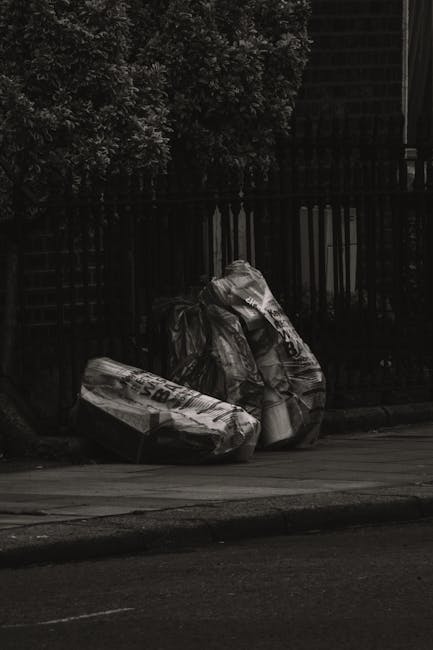
Best bulky waste drop-off points near Willesden High Road
If you are staring at an old sofa, a broken wardrobe, or a stack of household items that simply will not fit into your normal bin, you are probably looking for the best bulky waste drop-off points near Willesden High Road. The challenge is not just finding somewhere to take it. It is finding the nearest practical option, understanding what is accepted, and choosing the fastest route that does not waste your afternoon.
This guide breaks the process down in plain English. You will learn how bulky waste drop-off works, what to check before you leave home, which disposal route suits different items, and when a professional clearance service may be the smarter choice. If you want a local, low-stress solution, this article will help you compare your options without guesswork.
Along the way, you will also find useful internal resources for related services such as local waste removal support, furniture disposal, and recycling and sustainability guidance that may help you make a cleaner, quicker decision.
Table of Contents
- Why bulky waste drop-off near Willesden High Road matters
- How bulky waste drop-off works
- Key benefits and practical advantages
- Who this is for and when it makes sense
- Step-by-step guidance
- Expert tips for better results
- Common mistakes to avoid
- Tools, resources and recommendations
- Law, compliance, standards, and best practice
- Options, methods, and comparison table
- Case study or real-world example
- Practical checklist
- Conclusion
- Frequently asked questions
Why bulky waste drop-off points near Willesden High Road matters
Bulky waste is awkward by design. It is too large for ordinary household bins, too heavy to leave casually on the pavement, and often too inconvenient to keep around for long. That is why finding the best bulky waste drop-off points near Willesden High Road matters so much for local residents, landlords, renters, small businesses, and anyone clearing out a property.
In a busy stretch like Willesden High Road, convenience matters, but so does timing. A drop-off point that is technically available but difficult to reach, badly suited to your vehicle, or restrictive about accepted items can cost you more in time than money. In practice, the best option is usually the one that fits your load, your schedule, and the type of material you are disposing of.
There is also a sustainability angle. Drop-off points and proper recycling routes can help separate reusable, recyclable, and residual waste. That is especially useful for furniture, metal frames, wood, white goods, and mixed household clutter. If you are trying to dispose responsibly, a local route can be a better fit than simply waiting for the item to become an eyesore.
For a wider view of responsible disposal, it is worth reading about recycling and sustainability practices and how professional teams handle different waste streams.
Practical takeaway: the best drop-off point is not always the nearest one. It is the one that accepts your items, fits your transport, and gets the job done without a second trip.
How bulky waste drop-off points near Willesden High Road works
Most bulky waste drop-off arrangements follow a similar pattern. You collect your items, sort them into manageable categories, transport them safely, and hand them over at an approved site or transfer point. That sounds straightforward, but the details matter.
Some facilities are designed for residents with small vans or cars loaded with bulky items. Others are more focused on council-led disposal routes, pre-booked collections, or specific waste types. The key is to confirm what the site accepts before you leave. A quick check can save you a wasted journey, especially if you are carrying furniture, fixtures, or builder-type waste.
Typical bulky items include:
- sofas, armchairs, and mattresses
- wardrobes, desks, and shelving
- tables, chairs, and cabinets
- small appliances and broken household goods
- garden items such as broken fencing or worn-out outdoor furniture
It helps to separate items where possible. For example, a broken wardrobe may have wood panels, metal fixings, and mirrors that need different handling. A fridge or freezer may also require separate treatment because of its components. This is where careful preparation makes the whole process smoother.
If you are dealing with a mixed load from a home, flat, or office, a service such as home clearance or office clearance may be more practical than making multiple drop-offs.
Key benefits and practical advantages
Choosing the right drop-off point brings a few obvious benefits, but the less obvious ones matter too.
1. Faster clearing of clutter
Old bulky items can dominate a room. A single sofa or broken cabinet can make a space feel unfinished, cramped, or impossible to use properly. Once removed, the room feels larger almost immediately. That is not just a visual improvement; it can also make cleaning, redecorating, or staging a property much easier.
2. More control over the disposal process
When you drop items off yourself, you stay in control of what goes where. Some people prefer that to arranging a collection because it gives them a sense of certainty. You know the load is handled when you hand it over. No waiting around. No wondering if the booking changed.
3. Potentially better for small loads
If you only have a handful of items and access to a suitable vehicle, drop-off can be efficient. It may suit a chair, a dismantled bed frame, or a few bags of mixed bulky clutter. For many people, this is the sweet spot: enough waste to justify a trip, but not so much that a full clearance team is needed.
4. Better sorting and recycling opportunities
Good waste routes often encourage separation at source. That improves the odds that recyclable parts are recovered instead of everything ending up as residual waste. For readers who care about where their waste ends up, that is a real advantage.
5. Useful for time-sensitive clear-outs
Sometimes you do not want a long, staged process. Maybe you are moving out, preparing a property for tenants, or trying to clear the garage before the weekend. A well-planned drop-off can be the quickest clean slate available.
If your items are mostly furniture, the furniture clearance and furniture disposal pages are useful reference points for understanding alternative routes.
Who this is for and when it makes sense
Not everyone needs the same disposal method. The best bulky waste solution depends on your situation.
This is often a good fit for:
- homeowners clearing out old furniture
- tenants moving out of flats near Willesden High Road
- landlords preparing a property for new occupants
- small businesses replacing worn office furniture
- people doing a one-off garage, loft, or shed clear-out
- DIY renovators with limited builder's waste
It makes less sense when:
- the items are too heavy or unsafe to lift without help
- you have a large mixed load that will need sorting
- the waste includes restricted materials or specialist items
- you do not have a vehicle that can carry the load safely
- you are short on time and would benefit from collection instead
There is a very practical truth here: the cheapest option is not always the cheapest in real life. If you need to borrow a van, pay fuel costs, and spend half a day queuing, a professional alternative may be better value. The same is true for large, awkward furniture that requires two people to move safely.
For larger clear-outs, consider flat clearance, house clearance, or garage clearance if you want the work handled in one visit.
Step-by-step guidance
If you want to use a bulky waste drop-off point near Willesden High Road efficiently, follow a simple process. It keeps surprises to a minimum.
- Identify the items. Make a list of what you are disposing of and separate furniture, electricals, and mixed rubbish where possible.
- Check acceptance rules. Confirm whether the site accepts your type of waste, the vehicle size, and whether booking is needed.
- Measure the load. A quick check of item size can help you avoid an overloaded vehicle or an item that will not fit through access routes.
- Dismantle when sensible. Flat-pack furniture, remove doors, and detach loose parts if that makes loading safer and easier.
- Protect your vehicle. Use blankets, straps, and gloves. Nobody enjoys a scratched boot or a cardboard box that collapses halfway through a trip.
- Load safely. Put heavier items low and secure unstable pieces so they do not shift while driving.
- Travel at an off-peak time if possible. A calmer route often means less stress and less waiting once you arrive.
- Keep proof if needed. For business waste or more formal disposals, retain any booking confirmation or receipt you receive.
For commercial premises, it may also help to review business waste removal or office clearance if you are clearing desks, chairs, filing cabinets, or general office contents.
Expert tips for better results
Small decisions make a big difference with bulky waste. These are the details people often miss.
Separate reusable from non-reusable items first
A sofa with a broken frame may still contain usable fabric or fittings. A wooden table might be repairable or recyclable depending on its condition. Even if you are not donating items, separating useful material from landfill-bound waste can simplify disposal.
Do not underestimate lifting and access
Stairwells, tight hallways, and narrow driveways can turn a simple clearance into an awkward puzzle. If you are dealing with a top-floor flat or a cluttered garage, think through the route before moving anything.
Bundle similar materials together
Wood with wood, metal with metal, textiles with textiles. It sounds basic, but this kind of separation often makes unloading faster and improves the chance of proper recycling.
Use a second pair of hands for heavy pieces
Some items are technically movable, but not sensibly safe to move alone. A wardrobe corner to the shin is one of life's less memorable experiences. A second person is often worth the effort.
Ask about alternative routes for special items
Mattresses, electricals, and builder's debris may have different handling rules. If you are unsure, ask before loading. A five-minute check can save a lot of hassle.
If your project includes renovation waste, the builders waste clearance page is worth a look. For gardens, the garden clearance page can be more relevant than a general drop-off route.
Common mistakes to avoid
Most disposal problems are preventable. The same few mistakes come up again and again.
- Turning up without checking acceptance rules. Not every site accepts every bulky item.
- Overloading a vehicle. That creates a safety problem and can make unloading slower.
- Assuming all furniture is handled the same way. Upholstered items, mattresses, and flat-pack materials may be treated differently.
- Mixing hazardous or restricted items into a normal load. This can cause the whole trip to become complicated.
- Forgetting access limits. Large items may need dismantling before they can be moved safely.
- Leaving disposal until the last minute. This is how people end up with a sofa in the hallway and a deadline in the morning.
One of the easiest ways to avoid trouble is to think one step ahead. If something is likely to be awkward to carry, awkward to fit in the vehicle, or awkward to unload, it probably deserves a separate plan.
Tools, resources and recommendations
You do not need specialist equipment to dispose of bulky waste well, but a few basic tools make the job much smoother.
- Work gloves: useful for protecting hands from splinters, sharp edges, and dust.
- Straps or tie-downs: essential for securing furniture in transit.
- Blankets or floor protection: helps prevent damage to vehicle interiors.
- Screwdriver or Allen keys: handy for dismantling furniture before transport.
- Dust sheets or bags: helpful if you are dealing with mixed home clearance items.
In terms of practical resources, the following pages can help you decide which route is right for your job:
- pricing and quotes for understanding how clearance work is typically estimated
- insurance and safety for reassurance around handling and transport
- health and safety policy for standards around safe working
- about us if you want to understand the team behind the service
- contact us when you are ready to ask a question or book a collection
When comparing options, do not focus only on convenience. Think about safe lifting, disposal route transparency, and whether the items can be handled in one trip.
Law, compliance, standards, and best practice
Bulky waste disposal in the UK should be handled responsibly. You do not need to be an expert in waste law to make a sensible decision, but it does help to follow a few well-established best practices.
First, use an approved disposal route. Leaving bulky items in an alley, beside a bin store, or on the street without proper arrangement can create avoidable problems. If waste is collected by a third party, it is reasonable to make sure they are operating professionally and can explain how waste is handled.
Second, be careful with mixed loads. Some items may need special attention because of their material or condition. Electrical items, for instance, are not always handled the same way as plain furniture. If you are dealing with broken appliances, check the route beforehand.
Third, keep safety in mind. Heavy lifting, sharp edges, and unstable loads can all cause injury. That is one reason professional services often place emphasis on their health and safety policy and insurance and safety information. Those pages are useful if you want to understand how responsible operators think about risk.
Finally, be mindful of environmental handling. A reputable provider should be able to explain their recycling approach in simple terms. Their recycling and sustainability page is a good place to look for that kind of reassurance.
Options, methods, and comparison table
If you are deciding between dropping waste off yourself and booking a collection, this comparison may help.
| Method | Best for | Pros | Limitations |
|---|---|---|---|
| Local bulky waste drop-off | Small to medium loads, flexible schedules | Fast, direct, good for hands-on control | Requires transport, lifting, and checking acceptance rules |
| Council-style collection | Residents without suitable transport | No need to move items yourself | May involve booking windows and item restrictions |
| Professional clearance service | Large, heavy, or mixed loads | Convenient, efficient, less lifting | Usually more expensive than a simple drop-off |
| Reuse or donation route | Usable furniture and appliances | Can extend item life, may reduce waste | Items often need to be in decent condition |
If you are clearing a single item or a few pieces, drop-off can be the straightforward option. If you are handling a full room, a loft, or a flat, a wider service like loft clearance or house clearance is usually more efficient.
Case study or real-world example
Consider a typical scenario near Willesden High Road. A tenant is moving out of a one-bedroom flat and needs to dispose of a broken chest of drawers, an old desk chair, a small coffee table, and a bag of mixed household clutter. None of it is huge, but all of it is awkward enough to get in the way.
At first glance, a quick drop-off looks ideal. But once they measure the items, they realise the table needs dismantling and the drawers will only fit safely if carried in pieces. They also discover the lift is small and the hallway is narrow. Suddenly, the trip is not as simple as it seemed.
They have two good options. They can spend time dismantling and loading carefully, then head to a suitable drop-off point. Or they can arrange a collection through a local clearance provider, especially if they want the room cleared in one go. In this case, because the move-out deadline is tight, the second option becomes more appealing.
This is a common pattern. The "best" solution is often the one that matches the shape of the problem, not the one that sounds cheapest on paper. That small distinction saves a lot of stress.
Practical checklist
Use this checklist before you head out or book a collection:
- Have I identified exactly what needs disposing of?
- Are any items restricted, fragile, or difficult to carry?
- Have I checked whether the drop-off point accepts my load?
- Do I have the right vehicle space and load capacity?
- Have I got gloves, straps, and basic protection?
- Can I safely move the items without injury?
- Would dismantling make the load easier to transport?
- Is there a better service for a full-room or property clearance?
- Do I need a receipt, booking confirmation, or written record?
- Have I compared the time cost as well as the money cost?
If you tick most of those boxes, you are in good shape. If several are missing, a professional service may be the cleaner answer.
Conclusion
The best bulky waste drop-off points near Willesden High Road are the ones that make disposal simple, safe, and appropriate for your load. That usually means checking what is accepted, thinking through transport and access, and deciding whether a drop-off or a full clearance service offers better value for your situation.
For a few items, a well-planned drop-off can be quick and efficient. For larger, heavier, or mixed loads, a professional team is often the calmer option. Either way, the goal is the same: get the waste out responsibly and reclaim the space without turning the day into a logistics project.
If you are ready to move from planning to action, explore the relevant service pages, review the support information, and choose the route that fits your property, timing, and budget.
Get a free quote today and see how much you can save.
Frequently Asked Questions
What counts as bulky waste near Willesden High Road?
Bulky waste usually means large household or office items that do not fit in standard bins. Common examples include sofas, wardrobes, tables, mattresses, and broken furniture.
Can I drop off furniture myself instead of booking a collection?
Yes, if you have a suitable vehicle and the item is accepted at the site you plan to use. Self-drop-off works best for small to medium loads that are easy to lift and transport.
How do I know if a bulky waste point will accept my items?
Check the site's acceptance rules before you travel. Pay attention to restrictions on furniture, electrical items, mixed waste, and vehicle size. A five-minute check can save a wasted trip.
Is it cheaper to drop off bulky waste or book a clearance service?
Drop-off is often cheaper for smaller loads if you already have transport. A clearance service may offer better value if you need help lifting, dismantling, or clearing multiple items in one visit.
What should I do with a mattress or sofa?
Mattresses and sofas often need special handling, so confirm the disposal route in advance. For upholstered furniture, check whether the site accepts it or whether a furniture disposal service is more suitable.
Can I mix garden waste and bulky household waste in one load?
Sometimes, but not always. Mixed loads can be harder to process and may be treated differently. If you have garden clearance items as well, it is worth checking the rules first.
Do I need to dismantle furniture before taking it to a drop-off point?
Not always, but dismantling can make transport safer and easier. It is especially helpful for wardrobes, shelving, desks, and flat-pack items that are bulky in one piece.
What if I do not have a van?
If you do not have suitable transport, a collection service is usually the simpler choice. It removes the need to borrow a vehicle or make multiple trips.
Are there any safety issues with moving bulky waste myself?
Yes. Heavy lifting, sharp edges, awkward shapes, and tight stairways can all create risk. Use gloves, secure loads properly, and ask for help when needed.
What is the best option for a full flat clearance?
For a full flat, a broader clearance service is usually more practical than a drop-off. It reduces lifting, saves time, and handles multiple item types in one organised visit.
Can businesses use bulky waste drop-off routes too?
Sometimes, but business waste often has its own rules and records. For commercial clear-outs, it is usually better to review business-specific disposal options first.
How do I choose between local drop-off and professional collection?
Use drop-off for small, manageable loads when you have transport and time. Choose professional collection when the load is large, awkward, time-sensitive, or difficult to move safely.
If you want to speak to a local team about a larger clearance or a more convenient disposal plan, you can also review the service details and then head to the contact page to get started.
What documents or proof should I keep after disposal?
For simple household drop-off, you may not need anything beyond confirmation from the site. For commercial waste or larger arrangements, keeping a receipt or booking record is a sensible habit.